
From slow cooking to grilling, from classic confit to tartare, duck adapts to every craving.
It reveals its full personality — sweet, spicy, or crispy — depending on how you prepare it.
Duck can easily replace white or red meat in a wide range of dishes, from poutines and burgers to fondues and creative takes on coq au vin. Even its offal is delicious, whether grilled or tossed into a salad.
In short, duck fits seamlessly into any culinary culture, any taste, and any lifestyle. It’s easy to cook — and the only limit is your imagination!
Preparation
Understanding how to properly prepare duck meat is key to bringing out its unique flavour.
Start by selecting a high-quality cut, ideally from a local Quebec farm — this ensures freshness and adherence to strict production standards.
Before cooking, let the duck sit at room temperature for about 30 minutes. This helps ensure more even cooking.
If you’re preparing a magret or duck breast, gently score the skin in a criss-cross pattern. This allows the fat to render beautifully while the meat stays tender and juicy. Don’t forget to season with salt, pepper, and your favourite herbs to bring out the duck’s natural flavours.


.
© Canards du Lac Brome
And What About Foie Gras ?
When cooking foie gras slices (escalopes), make sure it’s very cold before cutting — this makes it easier to handle. Use a thin, sharp knife dipped in hot water for clean, precise slices.
Whether raw, in blocks, whole, or transformed into mousse or parfait, foie gras should always be handled with care.
If you’re preparing a terrine or parfait, let the foie gras come to room temperature to soften before gently deveining.
To enjoy foie gras mousse or parfait at its best, take it out of the fridge about 15 minutes before serving — this will allow its full flavour to shine.
© Maison Rougié


Cooking
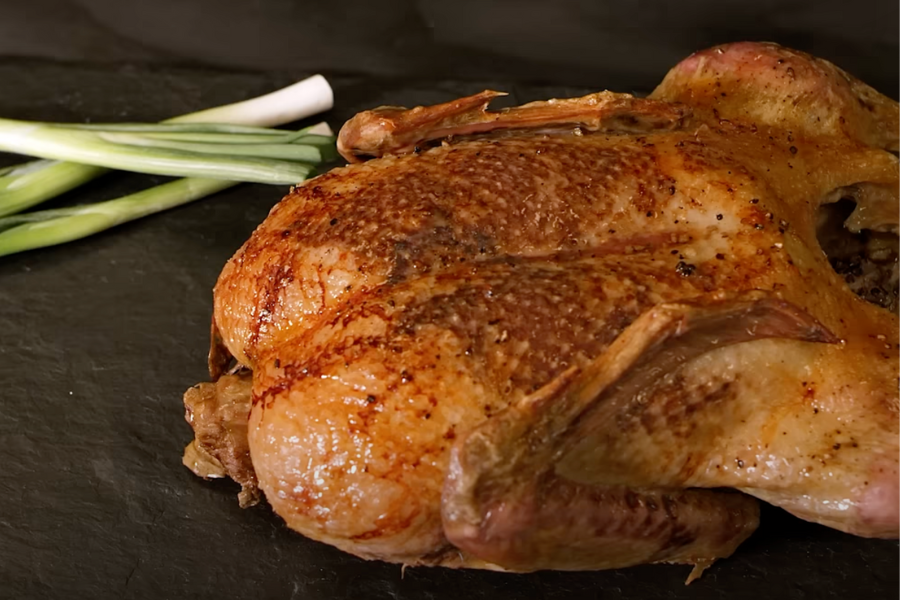
Each part of the duck has its own ideal cooking method to bring out its tenderness and rich flavour.
Cooking Tips for Duck Breast and Magret
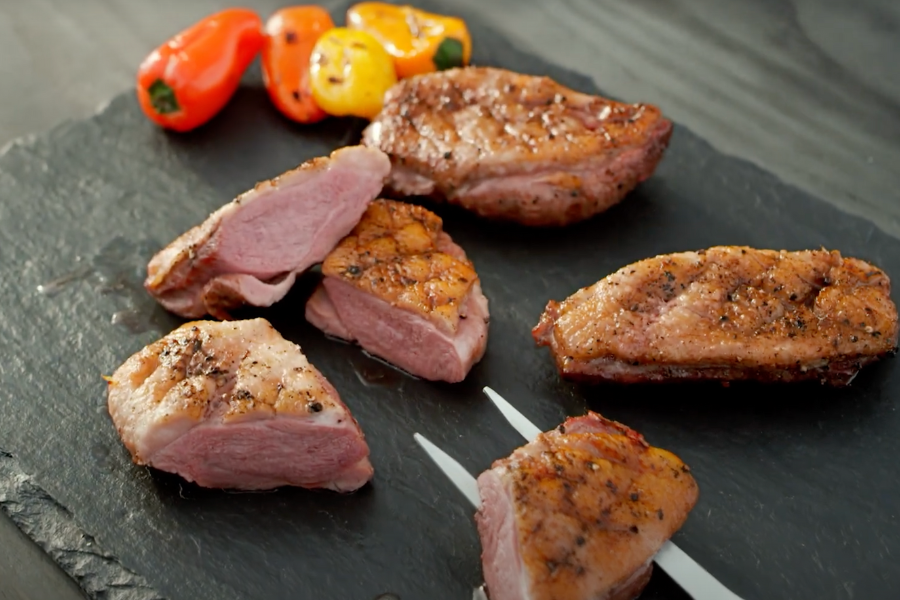
After scoring the skin, start by searing the skin side in a hot pan without adding any fat. This allows the duck fat to render and the skin to become beautifully crisp and golden. Once that’s done, flip the magret or breast and finish cooking to your desired doneness — rare, medium, or well done.
For Duck Legs
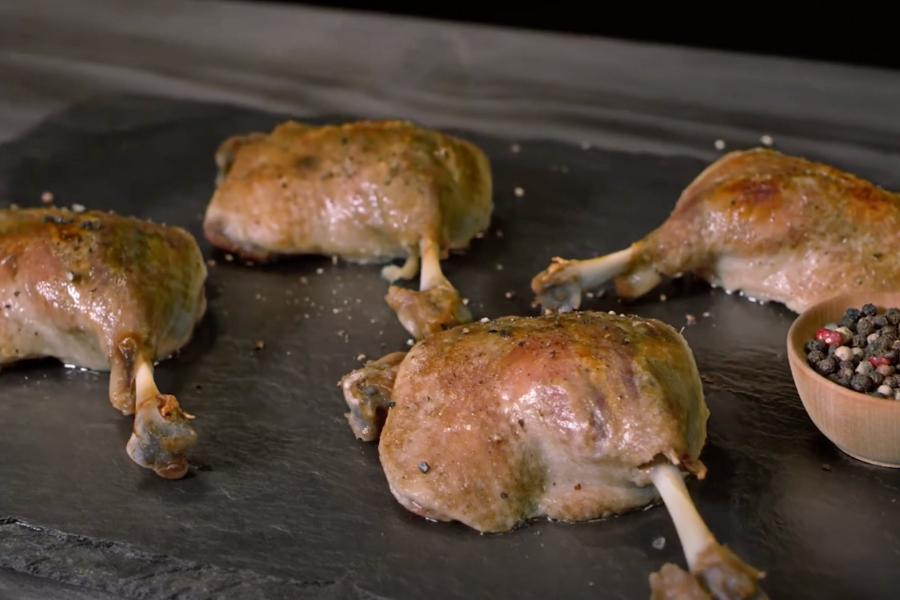
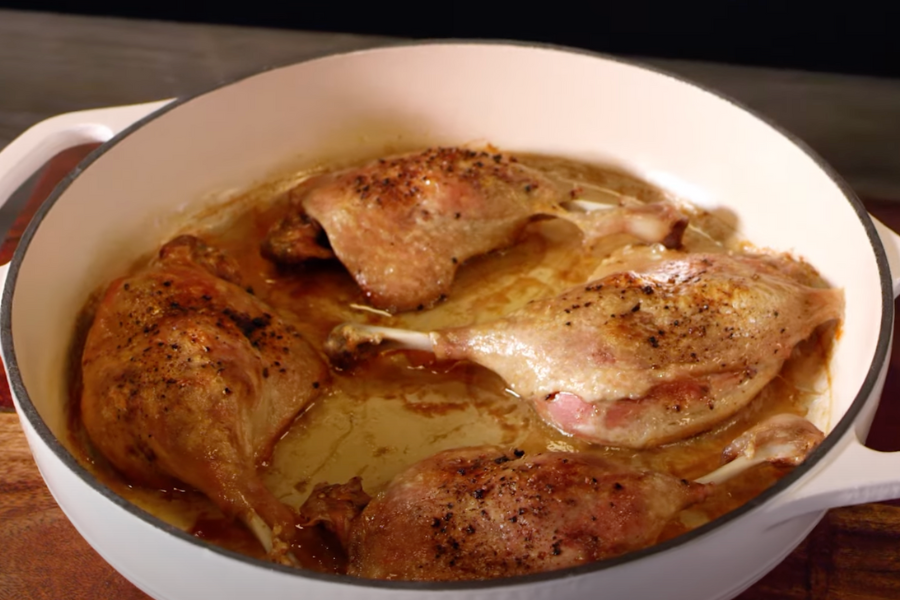
Duck legs are perfect for slow roasting in the oven or for a classic confit preparation — rich, tender, and full of flavour.
Grilling Season? Try the BBQ
For a summer twist, the barbecue is also a fantastic option. Start by searing the skin side in a cast-iron pan, then move the duck to the top rack of the grill to finish cooking gently.
And, don’t forget: you can use the rendered duck fat to roast seasonal vegetables, adding an irresistible touch of flavour to your meal.
© Canards du Lac Brome


And Waht About Foie Gras?
Foie gras slices (escalopes) should be seared in a hot pan — no added fat needed.
A quick sear — about 30 seconds per side — gives you a crispy exterior and a melting, velvety center. Before serving, place them on a paper towel to absorb any excess fat.
For a creative touch, try serving them with an ice cider reduction or a compote of apples and pears.
If you’re making a terrine or semi-cooked foie gras (mi-cuit), opt for gentle cooking in a water bath to preserve its smooth, luxurious texture.
Foie gras rillettes, mousses, and parfaits should be served slightly chilled — not too cold — for optimal flavour and texture.


Presentation
Presentation is the art of elevating your dish — delighting the eyes before the first bite.
For magret or duck breast, slice the meat thinly on a bias to reveal its rosy center, and fan the slices beautifully on the plate.
Pair with vibrant roasted vegetables or a creamy purée to create an appealing visual contrast.
Top with a sauce of your choice — red wine, berries, BBQ, or a rich white mushroom sauce — gently drizzled over the duck to complement its flavour.
For confit duck legs, serve whole over a bed of green vegetables or lentils, and finish with a sprinkle of fresh herbs for a bright, appetizing touch.
Remember: the eyes eat before the palate — every detail matters for a complete culinary experience.


And What About Foie Gras ?
Whether served as a terrine or a mousse, foie gras deserves an elegant, thoughtful presentation. Slice it thinly and plate it delicately, paired with lightly toasted brioche or nut bread.
A touch of onion confit, fig chutney, or ice cider jelly adds just the right amount of sweetness.
Foie gras rillettes can be served in individual jars, topped with a pinch of fleur de sel and a few pink peppercorns for a refined finish.
Seared foie gras slices shine when placed on a thin slice of gingerbread, with a drizzle of balsamic reduction or a berry coulis for an elegant, gourmet touch.
© Maison Rougié


Storage
Proper storage is essential to preserve the quality and flavour of duck.
If you’re not cooking the meat right away, wrap it tightly and store it in the refrigerator, where it will keep for 2 to 3 days.
For longer storage, freezing is ideal. Be sure to wrap the duck well to prevent freezer burn, and try to use it within three months for optimal flavour.
Transformed products, such as rillettes or foie gras, should be stored according to the manufacturer’s instructions — usually in the refrigerator.
Once opened, enjoy them quickly to savour their full freshness.
And don’t forget to save the rendered duck fat from cooking — strain it and store it in the fridge. It’s a wonderful ally for elevating your next dishes with rich, savoury depth.
And What About Foie Gras ?
Fresh foie gras should be consumed shortly after purchase or frozen for longer storage. To protect its delicate texture, wrap it carefully and vacuum-seal before freezing.
Terrines, rillettes, and foie gras blocks should be kept in the refrigerator and consumed by the date on the packaging. Once opened, it’s best to enjoy them within 48 hours to preserve all their flavours.
Like avocados, foie gras oxidizes quickly on the surface, so don’t hesitate to press a piece of plastic wrap directly onto the exposed surface before refrigerating.
For the best flavour experience, serve foie gras chilled but not cold — let it sit at room temperature for a few minutes before tasting.